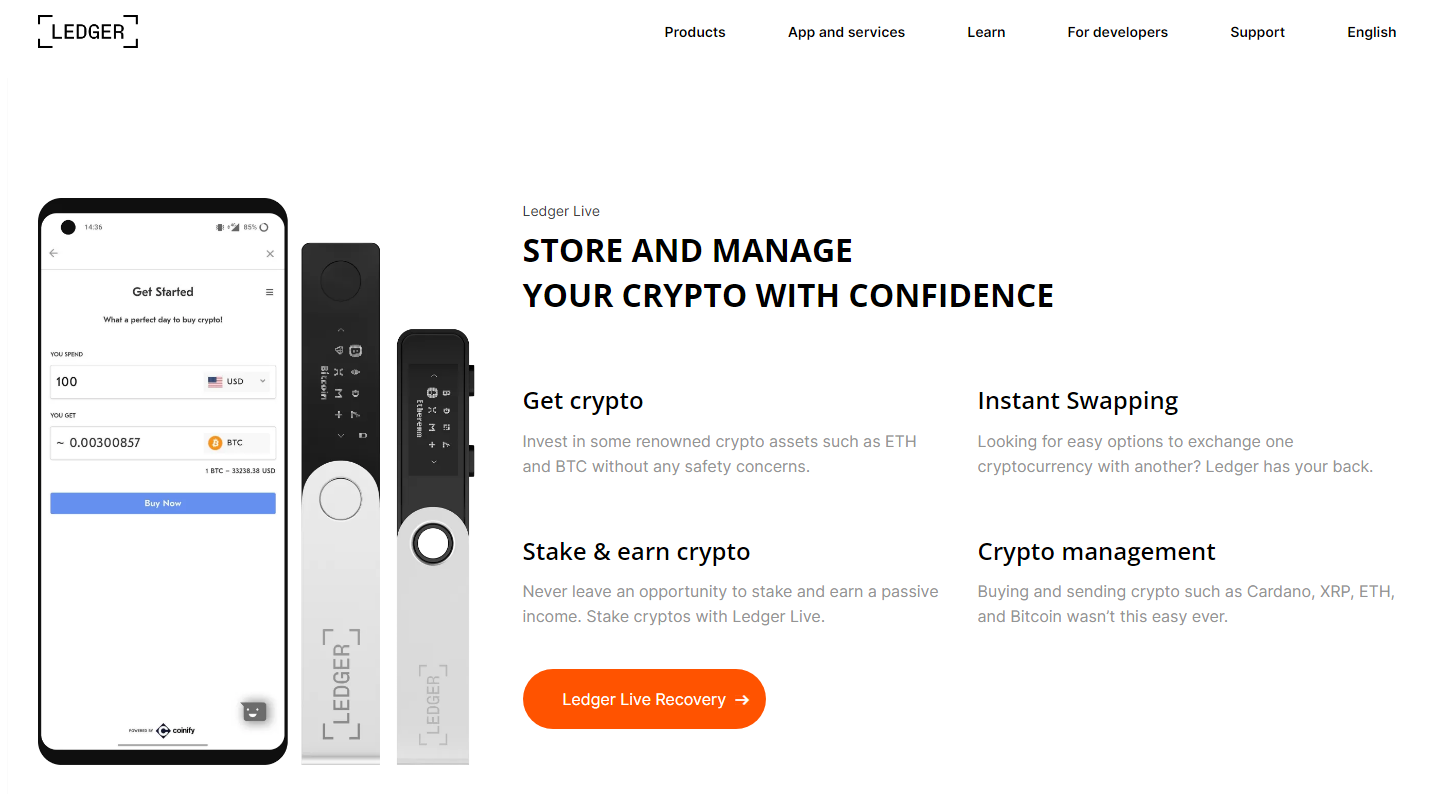
As cryptocurrencies continue to gain global adoption, protecting digital assets has become more important than ever. Hardware wallets play a critical role in safeguarding private keys, and Ledger stands out as one of the most trusted names in crypto security. Understanding how Ledger login works is essential for anyone using a Ledger device to store, send, or receive cryptocurrencies.
This in-depth guide explains the Ledger login process, how authentication works, security layers involved, common access problems, and best practices to keep your wallet safe from threats.
Ledger is a hardware wallet provider that enables users to store their cryptocurrency private keys in a secure, offline environment. Unlike web-based wallets or exchanges that rely on passwords and centralized servers, Ledger wallets give users full control over their assets.
Ledger devices work alongside Ledger Live, the official software interface used to manage crypto accounts, install apps, and approve transactions.
Popular Ledger products include:
Each device is designed with security-first architecture.
Ledger login is not a traditional username-and-password system. Instead, it refers to the secure process of unlocking your Ledger device and connecting it to Ledger Live.
Ledger login involves:
Because private keys never leave the device, logging in is significantly safer than conventional online authentication methods.
Ledger Live acts as the bridge between your hardware wallet and the blockchain.
Ledger Live does not store private keys. All cryptographic signing happens inside the Ledger device itself.
Ledger Live is available for desktop and mobile platforms. It is essential to download the application only from Ledger’s official website to avoid malicious copies.
The PIN code is entered directly on the Ledger device, not on your computer or phone. This prevents keylogging or screen-capture attacks.
Once unlocked, Ledger Live will recognize the device and allow you to manage your crypto accounts.
You are now successfully logged in.
Ledger’s login system uses multiple layers of protection:
Ledger devices use certified Secure Element chips similar to those used in passports and banking cards.
Private keys are generated and stored entirely offline.
Every transaction must be physically approved on the device.
Even if your computer is compromised, your assets remain secure.
The PIN code protects your device from unauthorized physical access.
Choose a PIN that is unique and not easily guessed.
During setup, Ledger generates a 24-word recovery phrase. This phrase is the only way to recover your wallet.
Ledger support will never ask for your recovery phrase.
Causes
Solutions
If you forget your PIN:
For Nano X users:
Ledger Live mobile allows users to manage crypto on the go.
Mobile login follows the same security principles as desktop login.
FeatureLedger LoginOnline Wallet LoginPassword RequiredNoYesPrivate Key StorageOfflineOnlineHacking RiskVery LowHigherUser ControlFullLimited
Scammers often try to trick users into revealing sensitive information.
Firmware updates improve security and compatibility.
Your assets remain safe as long as:
To recover:
Ledger’s authentication system removes reliance on centralized servers, passwords, and cloud storage. By requiring physical confirmation and offline key storage, Ledger ensures that users remain in full control of their digital assets.
Ledger login represents a modern approach to crypto security. Rather than relying on vulnerable passwords or online authentication, Ledger combines hardware protection, secure elements, and manual verification to create a robust login system.